Unchosen Perception
Fraud does not begin with a lie.
It begins with how humans naturally see.
We do not encounter people or situations as static facts. We encounter them through context. Timing. Emotional state. Need. Openness. Stress. Hope. Familiarity. All of it matters.
This is not a flaw in human perception. It is how perception works.
How We Actually See
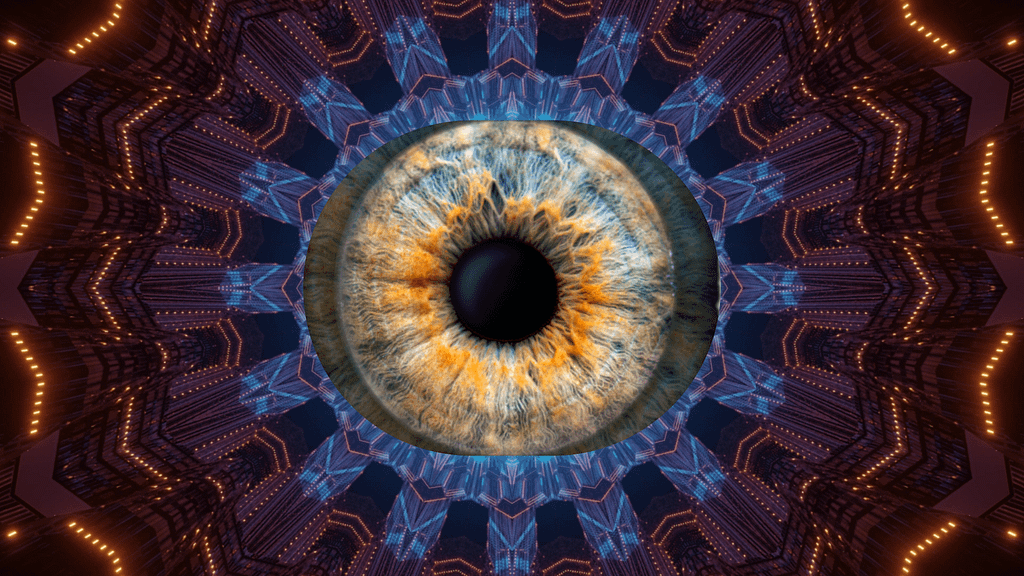
Think of perception like a kaleidoscope. The pieces inside do not change, but the pattern does, depending on angle, light, and movement. What you see is real, but it is not the only configuration possible.
Humans do this constantly.
We meet people at particular moments.
We interpret behavior through whatever else is happening in our lives.
We fill in missing information without realizing we are doing it.
Not because we are careless, but because no one ever has the full picture. Not of others. Not even of themselves. Understanding unfolds over time. Assuming total clarity as a starting point is unrealistic.
When Labels Replace Understanding
We often try to sort experiences into simple categories. Good or bad. Safe or unsafe. Real or fake. Those labels feel stabilizing, but they collapse complexity.
Most interactions are not about fixed character traits. They are about reactions. Pressure. Capacity. What gets activated under certain conditions.
Behavior matters. Context matters too.
Seeing that context clearly is different from excusing harm.
Where Fraud Enters the Picture
Fraud is not about perception being flexible.
It is about someone intentionally using that flexibility.
In ordinary relationships, everyone is working with incomplete information. People misread each other. They react. They adjust. Sometimes poorly.
Fraud is different.
Fraud occurs when one person understands how perception is forming and deliberately shapes it for their own gain. They rely on emotional timing. They apply pressure when clarity is reduced. They narrow choices. They delay critical information. They guide attention away from what would change the decision.
This is not confusion.
It is design.
Context explains why perception bends.
It does not excuse someone choosing to bend it on purpose.
Why Clarity Comes Later
When distance or safety returns, perception recalibrates. The same pieces are visible, but the pattern looks different. That shift can feel jarring.
People often mistake hindsight clarity for earlier failure. That is not accurate.
You cannot see what you did not yet have access to.
Perception is not static. It evolves as information and emotional conditions change. That does not invalidate what felt real at the time. It explains why it looked the way it did.
Discernment Without Extremes
Seeing this clearly does not require becoming guarded or suspicious of everyone. It also does not require staying endlessly open without checkpoints.
Discernment lives in the middle.
It allows space for goodwill while information is still coming in.
It notices patterns over time rather than relying on first impressions.
It adjusts without rewriting the entire story or assigning permanent labels.
The goal is not to eliminate the kaleidoscope.
It is to recognize when you are looking through one.
The Pattern, Named Clearly
Fraud works when perception is shaped before understanding can catch up.
It continues when responsibility is misplaced onto the person who trusted instead of the person who engineered the outcome.
Naming that pattern matters.
Not to harden people.
But to restore clarity without stripping away humanity.
Because the truth is not that people should stop seeing beauty, possibility, or connection.
The truth is that perception needs time, space, and full information before carrying irreversible decisions.
That is not fear.
That is discernment.
And discernment is what interrupts fraud before damage occurs.
Leave a Reply
You must be logged in to post a comment.